Sustainable Solutions: Skilled Environmental Support for Your Business
Eco-friendly approaches constitute a vital element of current business marketplace. Specialized green consulting allows businesses the capacity to strengthen performance while minimizing their ecological impact. Through addressing ecological impact and regulatory standards, consultants help companies in the direction of eco-friendly operations. This shift not only supports the environment but also embraces the ethics of eco-conscious consumers. The road to becoming sustainable, nevertheless, is complicated and requires thoughtful analysis of numerous elements. What actions should organizations consider to launch this transformation?
Grasping Environmental Professional Services and Its Positive Outcomes
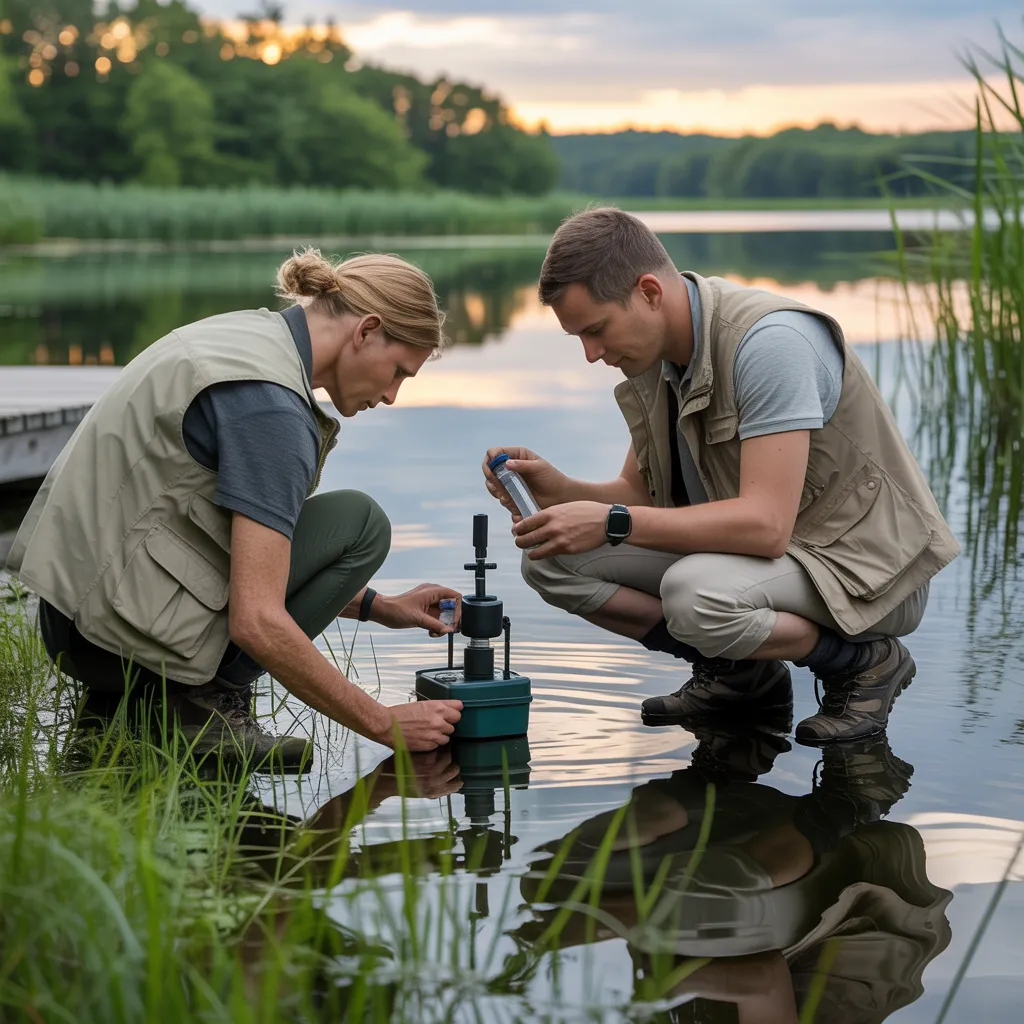
Recognizing green business guidance is paramount for businesses attempting to introduce environmentally sound practices. This branch requires authoritative guidance on environmental regulations, sustainability frameworks, and optimal resource utilization. Environmental consultants examine a entity's undertakings to detect betterment possibilities, ensuring observance of environmental regulations and limiting environmental harm.
The advantages of engaging environmental consultants are significant. They deliver bespoke solutions that improve operational effectiveness, minimize waste, and lower costs associated with resource consumption. By evaluating potential environmental concerns, consultants assist businesses mitigate liabilities and boost public perception. Additionally, the integration of relevant resource sustainable practices often leads to innovation and competitive advantage in the marketplace.
Throughout the long term, engaging with environmental consultants fosters a culture of sustainability within organizations, promoting employees to adopt environmentally responsible behaviors. Through their specialized knowledge, businesses not only advance environmental stewardship but also distinguish themselves as leaders in corporate accountability, appealing to increasingly eco-conscious consumers.
Assessing Your Environmental Footprint
Assessing a business's environmental footprint involves recognizing primary areas of impact and evaluating rates of resource use. By analyzing these factors, organizations can determine where changes are required. This process not only fosters environmental stewardship but also enhances operational efficiency.
Spotting Major Consequence Domains
Many organizations overlook the critical importance of identifying key focal points when evaluating their environmental footprint. By determining specific aspects of their operations that lead to environmental degradation, companies can create focused approaches for improvement. These impact areas often include power usage, waste production, water use, and emissions. Comprehending these elements allows businesses to rank actions that yield the most substantial environmental benefits. In addition, involving stakeholders in this identification process cultivates a sustainable culture within the entity. By recognizing and addressing these key impact areas, companies position themselves to improve their overall sustainability, lower expenses, and meet regulatory requirements. This proactive approach ultimately supports long-term ecological and economic viability.
Assessing Resource Depletion Rates
Once primary focus zones are identified, the next step includes calculating usage levels to evaluate the company's ecological impact. This procedure requires an systematic approach to collect information on power, liquid, and material consumption across all activities. Utilizing instruments like power assessments, liquid evaluations, and material flow analysis can offer understanding into usage trends. Organizations should also consider establishing benchmarks to compare against industry standards or previous results. By examining these measurements, enterprises can pinpoint waste areas and opportunities for reduction. Precise tracking not only helps in compliance with ecological laws but also improves company environmental initiatives. This information-based method is essential for choosing wisely that support lasting ecological objectives.
Core Areas for Sustainable Corporate Methods
Moreover, entities can allocate funds toward clean energy alternatives, including solar or wind, to diminish dependence on fossil fuels. Staff involvement in sustainability programs nurtures a culture emphasizing responsibility, fostering innovation and dedication to eco-conscious practices. Conclusively, transparent disclosure about environmental objectives and advancements solidifies investor trust and proves accountability. By unifying these fundamental areas, organizations aid in environmental protection and solidify their standing as leaders in responsible corporate conduct, captivating conscious consumers.
Locating the Perfect Eco Professional for You
Determining an ecological specialist requires a clear understanding of a business's specific needs and goals. Evaluating these requirements enables entities to align with specialists who exhibit the relevant expertise and experience. This strategic approach secures that corporations opt for thoughtfully for sustainable solutions.
Analyzing Your Enterprise Needs
When enterprises recognize the importance of eco-friendly practices, they often face the task of identifying the right green advisor to meet their unique requirements. This process commences with a detailed assessment of the firm's environmental objectives, compliance obligations, and current approaches. Organizations should take into account their industry context, operational scale, and particular obstacles, including trash disposal or energy efficiency. Engaging various stakeholders across the business can deliver valuable insights into the goals and expectations of the consulting relationship. Moreover, it is vital to define the scope of services needed, whether it involves regulatory compliance, business strategy development, or professional development. By explicitly stating these requirements, businesses can accelerate the vendor selection and guarantee a more productive working relationship with their chosen advisor.
Evaluating Consultant Expertise
How can businesses ensure they select the appropriate environmental consultant? Evaluating consultant expertise involves multiple important factors. Initially, firms should assess the consultant's credentials, including relevant certifications, education, and experience in specific environmental sectors. Subsequently, reviewing previous projects and client testimonials provides understanding into the consultant's effectiveness and reliability. Furthermore, comprehending their strategy to sustainability—whether they emphasize innovative solutions or compliance—is vital. interpersonal abilities also play a significant role; a consultant must effectively convey complicated information to various interested parties. Ultimately, consider the consultant's dedication to continuous learning and keeping current on environmental requirements and technologies. Through carefully reviewing these aspects, organizations can reach informed decisions and select a consultant most suited to their unique requirements.
Build Your Own Eco-Friendly Strategy
A carefully designed sustainability strategy can markedly elevate a company's environmental performance and operational efficiency. This method begins with a in-depth assessment of the firm's current methods, identifying sections where improvements can be made. Primary contributors should be involved in this appraisal to make certain varied viewpoints are considered.
Following this, specific, measurable goals must be developed. These goals should match with the broader aims of the organization while addressing environmental concerns such as reducing waste, power conservation, and resource conservation.
Furthermore, it is crucial to incorporate innovative solutions tailored to the unique challenges of the industry. Collaborating with expert environmental consultants can deliver useful knowledge into best practices and emerging technologies.
In conclusion, a structured communication framework can promote a sustainability culture within the organization, confirming that all employees recognize their functions in reaching these goals. This all-encompassing method ultimately places the business as a sustainability pioneer.
Executing Sustainable Solutions Proficiently
Effective deployment of green practices demands a well-planned strategy that emphasizes transparent goals and direction. Businesses must first establish specific targets, pinpointing specific sustainability goals aligned with their overall mission. This involves engaging stakeholders, including employees and suppliers, to cultivate a culture of sustainability throughout the organization.
Next, companies should allocate resources efficiently, ensuring that the required technologies, training, and tools are established to support environmentally responsible operations. Regular communication is vital, as it keeps all parties informed and motivated.
Furthermore, weaving in sustainability into current operations can improve efficiency and decrease pushback against transformation. By testing programs, organizations can evaluate viability and make adjustments before full-scale implementation.
In the final analysis, a devoted leadership team, united with transparent processes and sustained involvement, can substantially boost the impact of sustainability initiatives, providing prolonged rewards for both the organization and the ecological system.
Assessing Your Environmental Responsibility Achievements
What techniques can businesses employ to document their sustainability development effectively? Companies can utilize a assortment of tools and metrics to measure their environmental impact and developments. One common tactic is the adoption of performance indicators that focus on energy consumption rates, waste elimination, and carbon emissions. By establishing clear benchmarks, firms can review their enhancements over time.
Additionally, software solutions that supervise resource utilization and emissions can render real-time data, enabling well-considered assessments. Scheduled performance audits are likewise essential, helping organizations firms to identify areas for enhancement and guarantee observance of environmental regulations.
Bringing stakeholders within surveys and feedback mechanisms can notably advance the measurement framework, promoting a culture of accountability and continuous improvement. Ultimately, a comprehensive strategy to tracking sustainability progress allows businesses to execute strategic refinements and express their devotion to green practices.
Regularly Asked Questions
What Price Range Should Companies Anticipate for Environmental Assessment Services?
Consulting costs for environmental work provided to organizations usually range between $100 to $300 per hour, determined by the firm's knowledge and project scope. Fixed fees for engagements can also be offered, changing according to the specific requirements and length.
Which Credentials Must I Look for in an Eco-Consultant?
In choosing an environmental consultant, prospective clients should seek certifications such as Certified Environmental Professional (CEP), ISO 14001, or LEED accreditation, as these indicate expertise and dedication to eco-conscious practices within environmental management.
Do Small Organizations Have the Potential to Benefit From Environmental Advisory Services?
Yes, small ventures can greatly profit from environmental consulting services. These services help refine resource management, eliminate waste, upgrade compliance standards with regulations, and advance overall sustainability, ultimately delivering cost savings and a better public image.
How Frequently Should I Improve My Sustainability Strategy?
Refreshing a sustainability strategy should be executed per year or biennial basis, guided by industry changes and organizational growth. Systematic reviews validate coordination with evolving regulations, stakeholder expectations, and cutting-edge solutions, catalyzing continuous improvement and enhanced green outcomes.
What Industries Benefit Most From Environmental Consulting?
Industries including manufacturing, construction, energy, and agriculture benefit substantially from environmental advisory services. These sectors frequently encounter regulatory challenges, resource allocation problems, and sustainability goals that necessitate skilled direction to enhance their green performance and regulatory adherence.